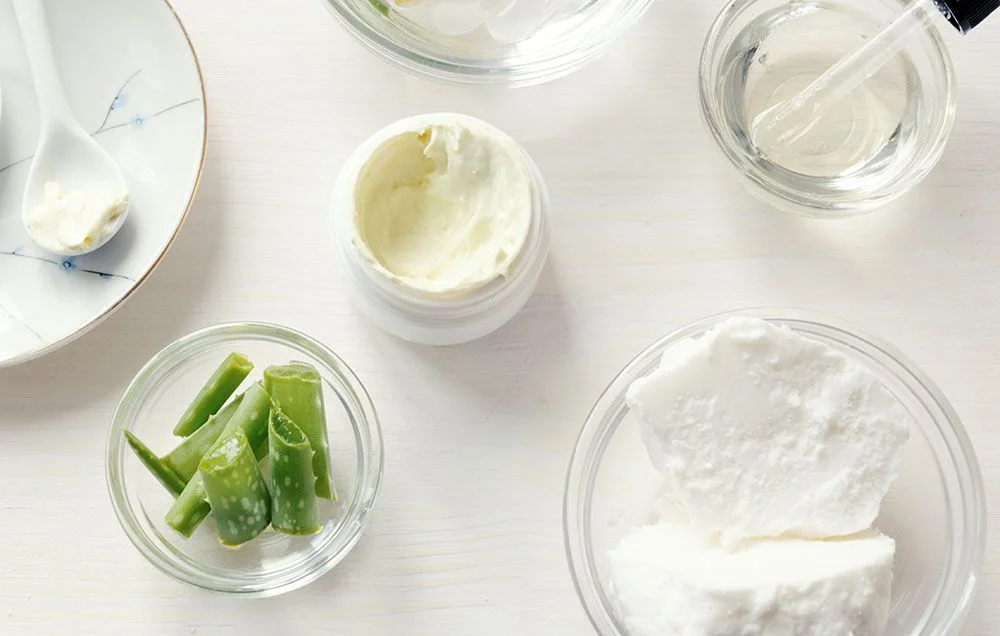
A natural moisturiser can feel like the simplest step in skin care until you’re staring at labels full of botanical extracts, cold-pressed oils, “clean” claims, and buzzwords like organic or non-toxic. The truth is: natural moisturising is straightforward when you understand how skin holds water and which ingredient types do what.
A natural moisturiser is a product that hydrates and protects skin using mostly naturally sourced ingredients like plant oils, butters, waxes, and botanical humectants designed to reduce dryness and support the skin barrier. The best option depends on your skin type, climate, and sensitivities.
Below you’ll find a clear decision framework, ingredient guidance, safety checks (including patch testing and comedogenicity), and practical routines without the confusion.
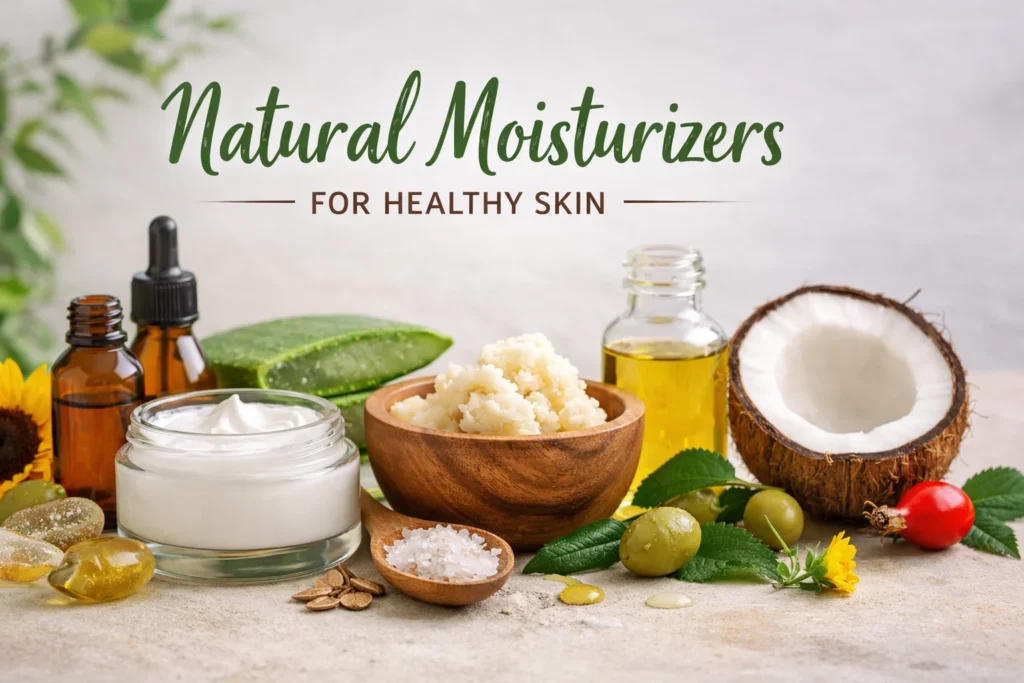
What a Natural Moisturiser Does (and Why It Matters)
Skin hydration isn’t only about “adding moisture.” The outermost layer of skin the stratum corneum needs a balanced mix of water and lipids to stay resilient. When that balance is off, the skin loses water through TEWL (transepidermal water loss) and you see dryness, tightness, flaking, irritation, or increased sensitivity.
A well-made natural moisturiser can help by:
- Attracting water into the stratum corneum (humectants)
- Smoothing and softening the skin surface (emollients)
- Sealing water in to slow TEWL (occlusives)
If your skin barrier is stressed cold weather, hot showers, over-exfoliation, strong actives, travel, air conditioning choosing the right moisturiser becomes the difference between “okay skin” and skin that feels calm and stable.
The Three Ingredient Jobs: Humectant, Emollient, Occlusive
Most moisturisers natural or not work best when they combine all three.
Humectants (Water-Attractors)
Humectants pull water into the outer skin layers. Natural-friendly examples include:
- Aloe vera
- Glycerin (can be plant-derived)
- Hyaluronic acid (often produced via fermentation; commonly included in “clean” formulas)
Humectants are especially useful in warm climates and for dehydrated skin that feels tight yet oily.
Emollients (Skin-Smoothers)
Emollients fill tiny gaps between skin cells, making skin feel softer and less rough. Many natural oils act as emollients:
- Jojoba oil (often favored for oily/acne-prone because it feels lighter)
- Sunflower oil
- Olive oil (richer; can feel heavy for some faces)
- Squalane (plant-derived options are common and generally lightweight)
- Rosehip oil (often used for a “glow” feel and mature skin routines)
Occlusives (Water-Sealers)
Occlusives create a protective layer to reduce TEWL. Natural-friendly occlusives include:
- Shea butter (rich, protective)
- Beeswax (very occlusive; can feel heavy)
- Plant waxes and thicker balms
If your skin is very dry, windy-weather exposed, or winter-chapped, you’ll usually need more occlusive support.
Natural Moisturizing Factor (NMF): The Skin’s Built-In Hydration System
The skin contains a mix of water-binding compounds known as Natural Moisturizing Factor (NMF). NMF includes components like amino acids, sodium PCA, and lactic acid molecules that help the stratum corneum hold onto water.
Why this matters: if you’re choosing a natural moisturiser for day-to-day balance (not just “oily shine control” or “extra thick winter cream”), look for formulas that support water binding first, then seal appropriately based on climate.
Natural vs Organic vs Clean vs Non-Toxic: A Clear Difference
These terms often get used interchangeably, but they aren’t the same.
- Natural typically refers to ingredients derived from nature (plants/minerals), but definitions vary globally.
- Organic refers to how ingredients were grown and processed (e.g., pesticide restrictions), often verified through certification.
- Clean / non-toxic are marketing terms. They can signal a brand philosophy, but they’re not universal legal standards.
If you want third-party verification, look for established certification systems such as COSMOS and Ecocert COSMOS, which set ingredient and processing standards for natural/organic cosmetics. Certification doesn’t automatically mean “better for your skin,” but it can help reduce greenwashing and improve transparency.
The Decision Framework: Choose by Skin Type → Climate → Texture → Red Flags
If you only remember one thing, make it this: your best natural moisturiser is the one that matches your barrier needs without triggering irritation or breakouts.
Step 1: Identify Your Skin Type and Barrier State
Use this quick self-check:
- Dry: tight, flaky, dull; often worse after cleansing
- Oily: shiny quickly, enlarged pores; may still feel dehydrated
- Combination: oily T-zone + dry cheeks
- Sensitive/reactive: stinging, redness, itching, frequent irritation
- Mature: feels drier, thinner, less “bounce,” fine lines show more with dryness
- Eczema-prone/dermatitis-prone: recurring patches of irritation; seek clinician guidance if severe
Step 2: Match Climate and Lifestyle
Climate changes how products behave:
- Hot/humid: lighter gels, lotion textures, humectant-forward formulas
- Cold/dry or winter air: richer creams, balms, occlusive support
- Air-conditioned offices / frequent flights: barrier-supporting creams, layered hydration
- Polluted urban environments: antioxidants and gentle barrier support (avoid harsh fragrance)
Step 3: Choose Texture That You’ll Actually Use
- Gel-cream: best for oily/combination, humid climates
- Cream: balanced everyday option for most
- Oil: sealing and smoothing; better as a layer over a humectant base
- Balm: targeted rescue for very dry areas or harsh weather
Step 4: Watch for Red Flags (Especially If Sensitive or Acne-Prone)
- Strong fragrance or high essential oil content (common irritant triggers)
- Very heavy occlusives on acne-prone facial skin (can feel congesting)
- DIY products stored too long (rancidity/spoilage risk)
- “Preservative-free” claims in water-based products (shelf-life concerns)
Ingredient Guidance by Skin Type (Practical Picks)
Best Natural Moisturiser for Dry Skin
Look for: humectant + rich emollient + occlusive.
- Shea butter (excellent for barrier sealing)
- Sunflower oil (often well-tolerated)
- Glycerin + aloe vera for water-binding support
Best texture: cream or balm
Best routine: apply immediately after showering while skin is damp.
Best Natural Moisturiser for Oily or Acne-Prone Skin
Look for: lightweight emollients + humectants, minimal heavy waxes.
- Jojoba oil (often less greasy-feeling)
- Squalane (light, smoothing)
- Aloe vera + glycerin base
Best texture: gel-cream or light lotion
Extra tip: if you want to use facial oils, keep it to a few drops after a water-based layer.
Best Natural Moisturiser for Combination Skin
Look for: balanced hydration that won’t suffocate the T-zone.
- Gel-cream in daytime
- Richer cream on dry areas at night
- Consider spot-layering: lighter on forehead/nose, richer on cheeks
Best Natural Moisturiser for Sensitive Skin
Look for: short ingredient lists, fragrance-free, fewer botanicals.
- Glycerin-based hydration
- Gentle oils like sunflower or squalane
- Avoid heavy essential oils (even if “natural”)
Best practice: patch test every new product and introduce one change at a time.
Best Natural Moisturiser for Mature Skin
Look for: hydration + lipid support + gentle comfort.
- Rosehip oil (commonly used in mature routines)
- Squalane
- Creams that support barrier comfort without stinging
Your goal is consistent hydration that reduces the look of fine lines caused by dryness.
A Simple Comparison Table: Oils vs Creams vs Balms
| Type | Best for | Pros | Cons | Climate fit |
|---|---|---|---|---|
| Gel-cream | oily/combination, humid | light feel, layers well | may be too light in winter | warm/humid |
| Cream | most skin types | balanced, reliable | some can feel heavy | all-season |
| Oil | sealing, glow, dry patches | simple formulas, great finish | can feel greasy; may clog some | dry/cool |
| Balm | very dry, windburn, winter | strong TEWL protection | too occlusive for acne-prone face | cold/dry |
How to Apply a Natural Moisturiser
- Cleanse gently (avoid stripping your skin)
- Pat skin damp (don’t fully dry)
- Apply moisturiser over damp skin for better hydration lock-in
- Seal if needed (optional): a few drops of oil or a balm on dry zones
- Morning: finish with sunscreen (moisturiser is not SPF)
Where oils fit best
- Face: use sparingly, especially if acne-prone
- Body: oils can be easier and more forgiving
- Hands/heels/elbows: balms shine here
Patch Testing and Comedogenicity: The Safety Layer
One of the biggest worries is, “Will this break me out?”
Patch test (fast and practical)
- Apply a small amount behind the ear or on the inner arm
- Repeat daily for 24–48 hours
- If you get stinging, swelling, persistent redness, or itching: skip it
Comedogenicity reality check
Comedogenic ratings aren’t universal truths; your skin, climate, and layering habits matter. Still, if you’re acne-prone, be cautious with very heavy oils and thick occlusives on the face especially if you sweat or live in a humid climate.
Trend Reality Check: Coconut Oil and Beef Tallow
Trends can work for some people until they don’t.
Coconut oil
Coconut oil can feel deeply moisturizing on the body, but many people find it too heavy for facial acne-prone areas. It can also be misused as a “natural sunscreen,” which it is not. If you use it, treat it like a rich occlusive/emollient and patch test carefully.
Beef tallow
Beef tallow has gained popularity for its thick, balm-like feel. It can be very occlusive and comforting for dry skin, but it may feel too heavy for faces prone to congestion. If you try it, use it sparingly and avoid layering it under heavy products.
If a trend product makes your skin feel softer but triggers bumps within a week or two, that’s useful feedback switch textures rather than forcing it.
Label Reading and Verification: How to Shop Smarter
When you’re buying a natural moisturiser, your best tools are:
- INCI label reading (ingredients listed in order of concentration)
- Certification checks (COSMOS/Ecocert COSMOS, where available)
- A realistic view of shelf life and preservatives
What to look for on the INCI list
- Do you see a clear humectant early (glycerin, aloe base, hyaluronic acid)?
- Are oils/butters appropriate for your skin type?
- Is fragrance listed? Are essential oils prominent?
- If it’s water-based, does it include a preservative system (important for safety and stability)?
Pricing: What Natural Moisturisers Usually Cost (and Why)
Costs vary worldwide, but the biggest price drivers are consistent:
- Third-party certification (COSMOS/Ecocert)
- Packaging quality (airless pumps, glass)
- Cold-pressed or specialty oils
- Added functional ingredients (fermented hyaluronic acid, skin-identical lipids like ceramides)
- Brand markup and distribution
In general, you’ll see three broad tiers:
- Budget: simple lotions/creams with a few botanical ingredients
- Mid-range: better textures, fragrance-free options, clearer sourcing
- Premium: certified natural/organic, specialty oils, refined sensory feel
A higher price doesn’t guarantee fewer breakouts; matching the formula to your skin matters more.
“Near Me” Buying Options
If you’re searching “natural moisturizer near me” or “where to buy natural moisturizer,” these provider types tend to have the best selection:
- Pharmacies/drugstores: fragrance-free basics, sometimes dermatologist-aligned brands
- Dermatology clinics/medical spas: barrier-focused options; best when you’re reactive
- Clean beauty retailers: wide variety, but read labels carefully
- Organic/health food stores: common for balms and simple butters
- Reputable online marketplaces: more options, but verify authenticity and certifications
If you’re sensitive, prioritize return policies and patch testing before committing.
Common Mistakes That Make Natural Moisturisers “Not Work”
- Applying to fully dry skin (loses the “damp-skin seal” advantage)
- Using only oil with no humectant layer (can feel greasy but not truly hydrating)
- Choosing heavy balms in humid climates (feels congested)
- Assuming “natural” can’t irritate (essential oils can be triggers)
- Keeping DIY blends too long (rancidity/spoilage)
- Skipping sunscreen because the moisturiser “feels protective”
Quick Use Cases (Real Scenarios)
Scenario 1: Oily but dehydrated skin in a humid climate
Choose a gel-cream with aloe/glycerin + a small amount of squalane. Use sunscreen in the morning. Skip heavy butters.
Scenario 2: Dry, flaky skin in winter
Use a cream with humectants plus shea butter or beeswax-based occlusives at night. Apply right after showering on damp skin.
Scenario 3: Sensitive skin that reacts to “natural fragrance”
Go fragrance-free, minimize essential oils, patch test, and keep your routine simple until stable.
Scenario 4: Tretinoin dryness or barrier stress
Use a gentle cleanser, apply moisturiser on damp skin, and consider a “sandwich” approach: moisturiser → tretinoin (as directed) → moisturiser. If irritation persists, consult a professional.
FAQs
What is a natural moisturiser?
A natural moisturiser is a hydration product made primarily with naturally sourced ingredients like plant oils, butters, waxes, and botanical humectants designed to reduce TEWL, soften skin, and support the skin barrier.
Is natural moisturiser better for sensitive skin?
It can be, especially if it’s fragrance-free and has a short ingredient list. “Natural” doesn’t guarantee non-irritating essential oils and fragrance are common triggers so patch testing is still important.
Can natural oils clog pores?
They can, depending on the oil, how much you use, and your skin type. Acne-prone skin often does better with lighter options like jojoba or squalane, applied sparingly over a humectant layer.
Is coconut oil a good face moisturiser?
For some people it works, but many acne-prone users find it too heavy for the face. It can be better as a body moisturiser. Patch test and avoid relying on it for sun protection.
What’s the difference between natural and organic moisturiser?
Natural refers to the ingredient source, while organic refers to how ingredients were grown and processed. Organic claims are more likely to be verified through certification, depending on region and standards.
How long do natural moisturisers last?
Shelf life varies by formula. Water-based products need preservatives to stay stable; oil-only products can go rancid over time. Check the PAO symbol (e.g., 6M, 12M) and store away from heat and light.
How do I apply natural moisturiser correctly?
Apply it to slightly damp skin after cleansing. Use a light layer, then seal dry areas if needed. In the morning, always apply sunscreen afterward.
What is the safest moisturiser to use?
The safest option is one that matches your skin type, is tested by you via patch testing, avoids your known triggers (like fragrance), and has appropriate preservation and packaging for stability.
Do I need a different moisturiser for summer and winter?
Often yes. Humid climates favor lighter gel-creams, while winter or dry air usually requires richer creams or balms to reduce TEWL and prevent flaking.
Conclusion
A natural moisturiser for natural skin care works best when it supports your skin barrier bringing in water with humectants, smoothing with emollients, and reducing TEWL with the right level of occlusion. Choose based on your skin type and climate, verify claims through label reading and credible certifications, and protect your skin with patch testing and daily sunscreen. Once you find the texture your skin loves, consistency beats complexity every time.